Disability and Accessibility Services
- Temp Last Modified: 2025-07-21
CT State’s Office for Disability and Accessibility Services (ODAS) seeks to provide support for students with disabilities by providing reasonable and appropriate accommodations. Each campus has an Office for Disability and Accessibility Services ready to support students with disabilities throughout their time at CT State. Once approved at one CT State campus, accommodations are applicable across all CT State campuses, unless otherwise specified.
Students requesting accommodations for the first time at CT State must complete an online self-disclosure intake form.
Students: Access Your Accommodate Portal
Faculty: Access Your Accommodate Portal
Please note that ODAS is for students requesting accommodations. For staff/faculty accommodation information, visit our Workplace Accommodation Request webpage.
Getting Started
Accommodation Information
ODAS understands that obtaining and maintaining accommodations might seem daunting to an already busy college student. Our team strives to make the process as simple and straightforward as possible. If you need help with any of the steps, please email your campus ODAS.
-
To get started with obtaining disability support services, see the steps below. Once approved, accommodations will be applicable across all campuses within CT State Community College.
To request accommodations for the first time, please follow these steps:
- Step 1: Complete the online registration/self-disclosure form and submit documentation substantiating your accommodation request.
- Step 2: After ODAS has determined that your records are complete, one of our staff will send an invitation to schedule an intake appointment.
- Step 3: During the intake appointment, share as much information as you can about your disability, the limitations it creates for you as a student and what academic accommodations (if any) you have used in the past. ODAS will work with you over the course of your intake appointment to determine reasonable and appropriate accommodations to ensure your equal access to CT State programs and services.
- Step 4: Students will receive an email after their intake appointment with their approved accommodations and instructions to complete a semester request.
- Step 5: Each semester, students must submit a semester request indicating consent for accommodation information to be shared and with whom.
-
In order to use accommodations, students must request their accommodation letters and give permission for ODAS to share their accommodations approval with selected instructors each semester. This process is completed through a semester request.
Semester Requests
Each semester, instructors must be notified of accommodations via an “accommodation letter.” Accommodation letters are sent once students submit their semester requests via Accommodate. Accommodation letters can be sent at any point during the semester, however, accommodations are not applicable until the letter is sent. As a reminder, accommodations are never retroactive and as such, ODAS recommends submitting semester requests as soon as you register for classes each semester. Students can then determine if and when they need to utilize the approved accommodations.
Accommodate will provide you with a dashboard of information on your registered classes and approved accommodations. Please see the instructions below to complete a semester request:
- To begin, log in with your CT State single sign-on username and password to Accommodate
- Select the “Accommodation” tab (on the left)
- Select “Renewal Semester Request”
- Click the drop-down and navigate to the correct semester
- Add “New”
- Select current semester
- Select “Review the Renewal” (on the right)
- Review each accommodation and using the checkboxes, select only those courses to which you want your accommodations to apply
- Scroll down and click submit.
Note: Requests are reviewed and processed by staff in the order in which they are received. Once processed, you and your instructors will receive your accommodation letter via email. It is typical for semester requests to be responded to within 2 business days. Certain accommodations may take longer to arrange.
Using Accommodations
ODAS provides reasonable academic accommodations for students with documented disabilities. Accommodations at clinical or external partner sites are reviewed individually, based on site-specific rules, safety standards and professional requirements. Not all academic accommodations may apply in these settings, and decisions are made in collaboration with the site partners to ensure they are appropriate and reasonable.
Please see the processes for utilizing certain accommodations below. Accommodations are determined on a case-by-case basis. Some accommodations may not be applicable based on the individual student. Refer to your Accommodate portal to understand your approved accommodations. Accommodations provided in high school may not be available in college. If you have a question about your approved accommodations or would like to request additional accommodations, please reach out to your Disability Service Provider.
-
Exam Accommodations
Proctored exams are available to students approved for this accommodation. Like all students with approved accommodations, students should submit their semester request through their Accommodate portal. Once they have submitted their semester request, follow the steps below to schedule an exam.
Steps to Schedule Testing Accommodations:
- Log in with your NetID and password to Accommodate
- On the left navigation panel, select “Testing Room”
- Select “New Booking Request”
- From the drop-down menu, select the course
- Complete the testing information fields.
- Select “Check Availability”
- Available testing seats will be displayed on the right side of the screen. Please select an available day/time to register
- From the “Confirm Exam Booking” screen, please review that the information is correct, and click “Submit Request”
- Upon submitting your test request, an auto-generated email will be sent to you and your instructor, indicating the testing reservation
-
Alternate Formats
Students with disabilities who require alternative access to printed material may receive their textbooks in an alternate format. Eligibility for this academic adjustment is determined individually, and students must demonstrate a substantial visual, physical, or learning disability that requires alternate materials. Students approved for this accommodation are required to show proof of purchase of the book prior to receiving it in an alternate format due to copyright laws. Like all students with approved accommodations, students should submit their semester request through their Accommodate portal at link one accommodate (CT State Accommodate link will be available here early August). Once they have submitted their semester request:
Steps to Request Alternate Format Textbook Titles
- Log in with your NetID and password to Accommodate
- Click “Accommodations” and in the drop-down list you will see “Alternative Format”
- Click “Alternative Format” then click “Student Entered”
- Click “Upload Document for an Alternative Format Request”
- Fill in the information requested- ISBN number, title, semester, class, and upload proof of purchase
- Submit
- Repeat for each individual audiobook you are requesting
-
Interpreting Services
Interpreting services may be available to deaf/hard-of-hearing students. Please note the following:
- Like all students with approved accommodations, students should submit their semester request through their Accommodate portal at Accommodate. Once you have submitted your semester request:
- Please email your ODAS campus contact and indicate the dates/times and course(s) in which you are requesting an interpreter
- These requests are processed in the order in which they are received
- Interpreters will adhere to the Registry of Interpreters for the Deaf (RID) Code of Professional Conduct
- Like all students with approved accommodations, students should submit their semester request through their Accommodate portal at Accommodate. Once you have submitted your semester request:
Additional Information and Resources
Request to Send Accommodation Letters to Professors Through Accommodate
Find Your Home Campus
-
The Office for Disability and Accessibility Services at CT State works collaboratively to serve students with disabilities across all of our CT State locations. Navigate to your home campus page above for more information on contacting your ODAS campus lead. Please note that students will engage in the interactive process through their home campus for accommodation approval at all CT State campuses.
-
-
Asnuntuck Campus
-

Jillian Sullivan, M.Ed., B.C.S.E. (she/her)
Email: jillian.sullivan@ctstate.edu
Phone: 860-253-3005
Office Location: 112AJillian Sullivan, M.Ed., B.C.S.E. (she/her) is the ODAS Campus Lead at CT State Asnuntuck. She earned both a bachelor's degree in psychology and a master's degree in special education from the University of Massachusetts Amherst. Before joining CT State Asnuntuck, Jillian was employed as a special education teacher for 14 years. In her current role, Jillian supports students with disabilities through a strengths-based approach that emphasizes access, self-advocacy and meaningful self-exploration as they navigate higher education.
Jillian is currently pursuing her doctorate in higher education leadership at American International College. Her dissertation explores how community colleges can better serve deaf and hard-of-hearing students. As someone who is hard of hearing herself, Jillian brings professional expertise and lived experience to her work.
-
-
Capital Campus
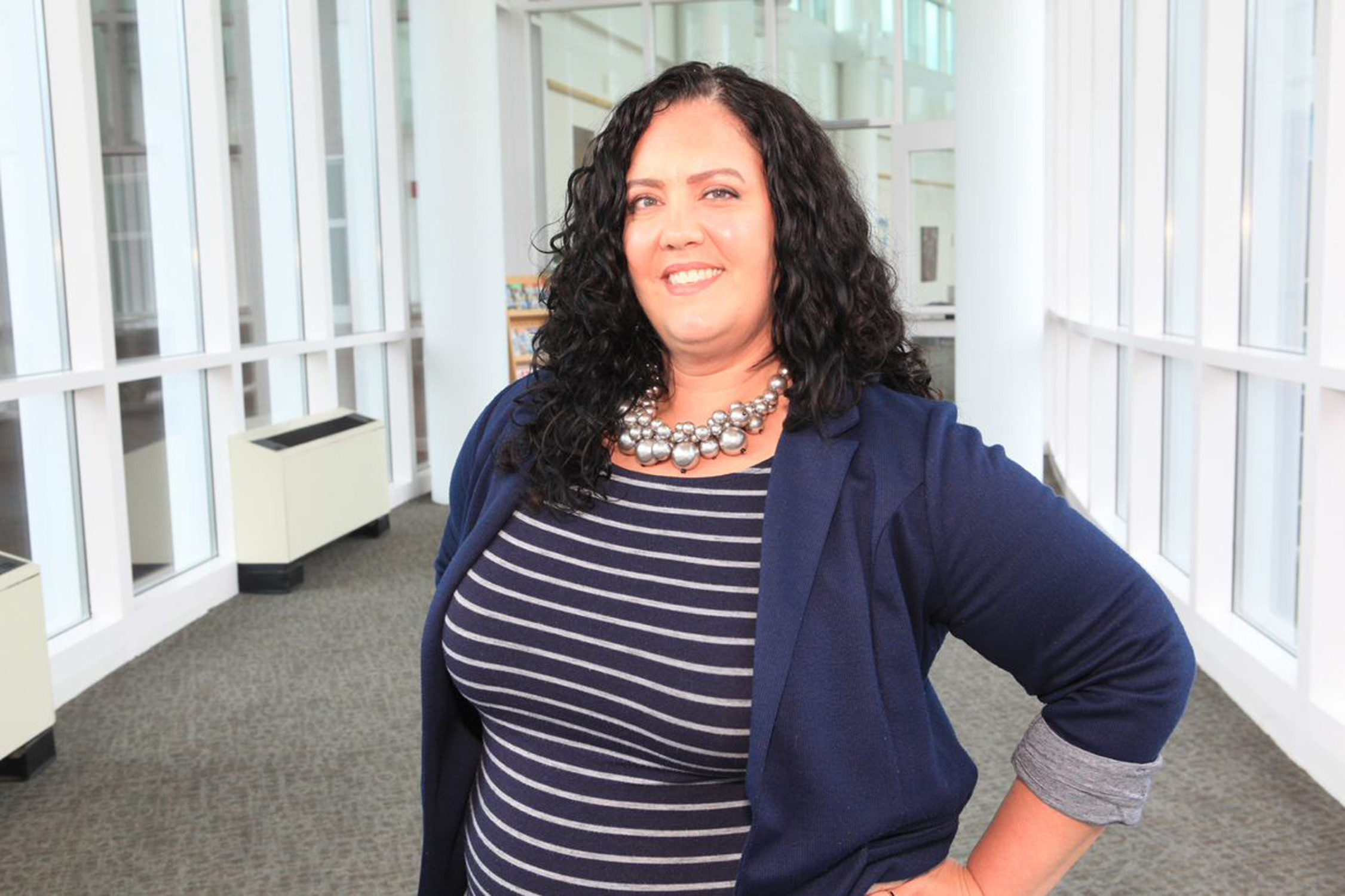
Helena Carrasquillo, M.S. (she/her/they)
Email: helena.carrasquillo@ctstate.edu
Phone: 860-906-5204
Office Location: 314BHelena Carrasquillo (she/her/they) has been a dedicated and experienced higher education professional committed to student success, well-being and inclusion for two decades at CT State Capital. She holds a master of science degree in marital and family therapy from CCSU as well as a graduate certificate in postsecondary disability services and a bachelor of science in human development and family studies, both from UConn.
Currently, Helena serves as the ODAS campus lead, co-chair of the Mental Health Coalition and member of the CARE team at CT State Capital. These roles aim to ensure equitable access to educational opportunities for students, with a particular focus on supporting students with disabilities and those navigating mental health or personal challenges. Helena is a strong advocate for these students, working diligently to secure necessary accommodations and resources that empower them to thrive academically and beyond while building a campus community of care and inclusion.
-
Gateway Campus
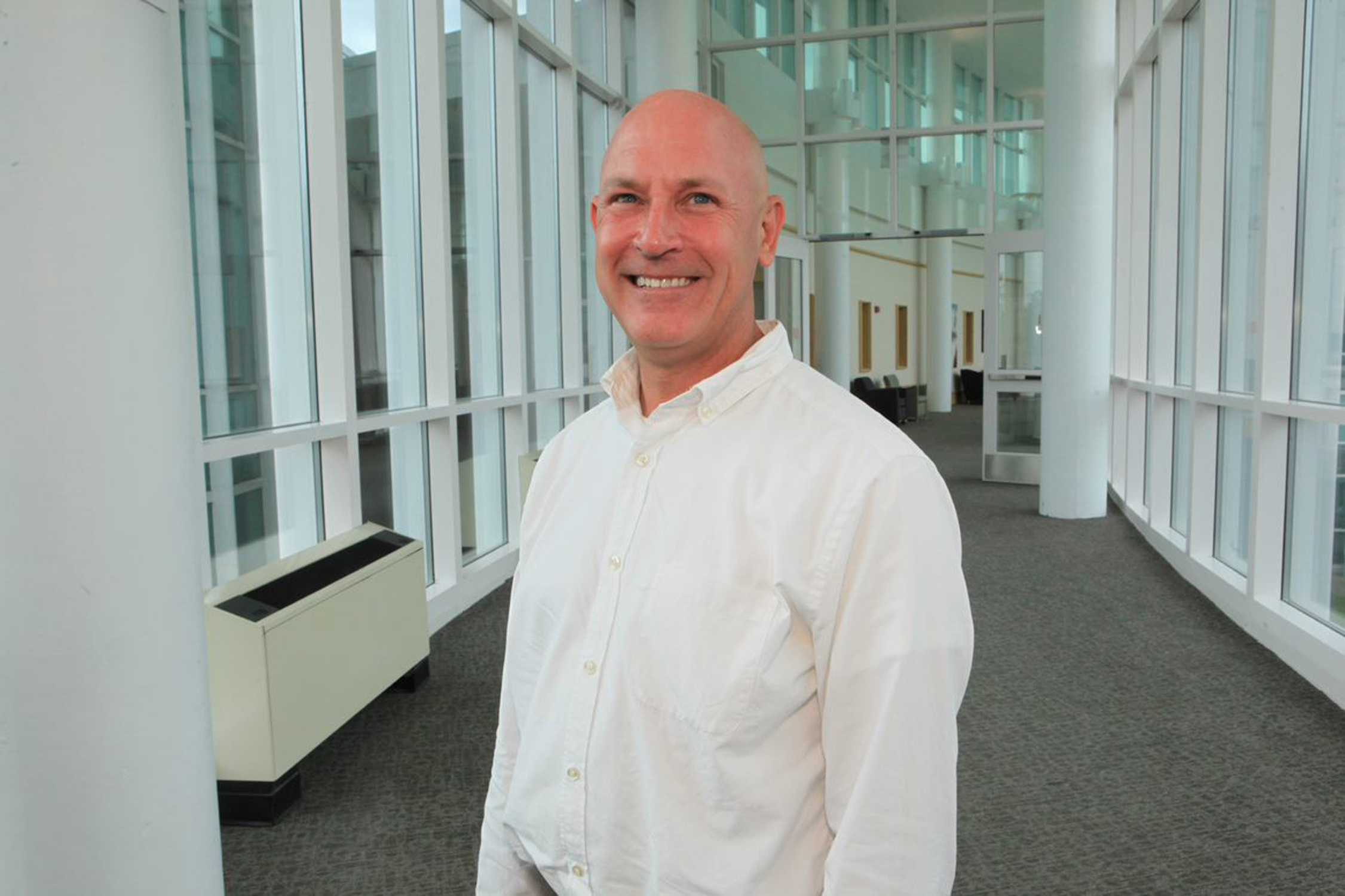
Ron Chomicz, M.Ed., SYC (he/him)
Email: ronald.chomicz@ctstate.edu
Phone: 203-285-2234
Office Location: DT S202DRon Chomicz, M. Ed., SYC, has over 13 years of service at the Gateway campus and has been an adjunct instructor for over 20 years. His education includes a bachelor of science degree, a master’s degree in special education and a sixth-year degree in education leadership.
-
Housatonic Campus
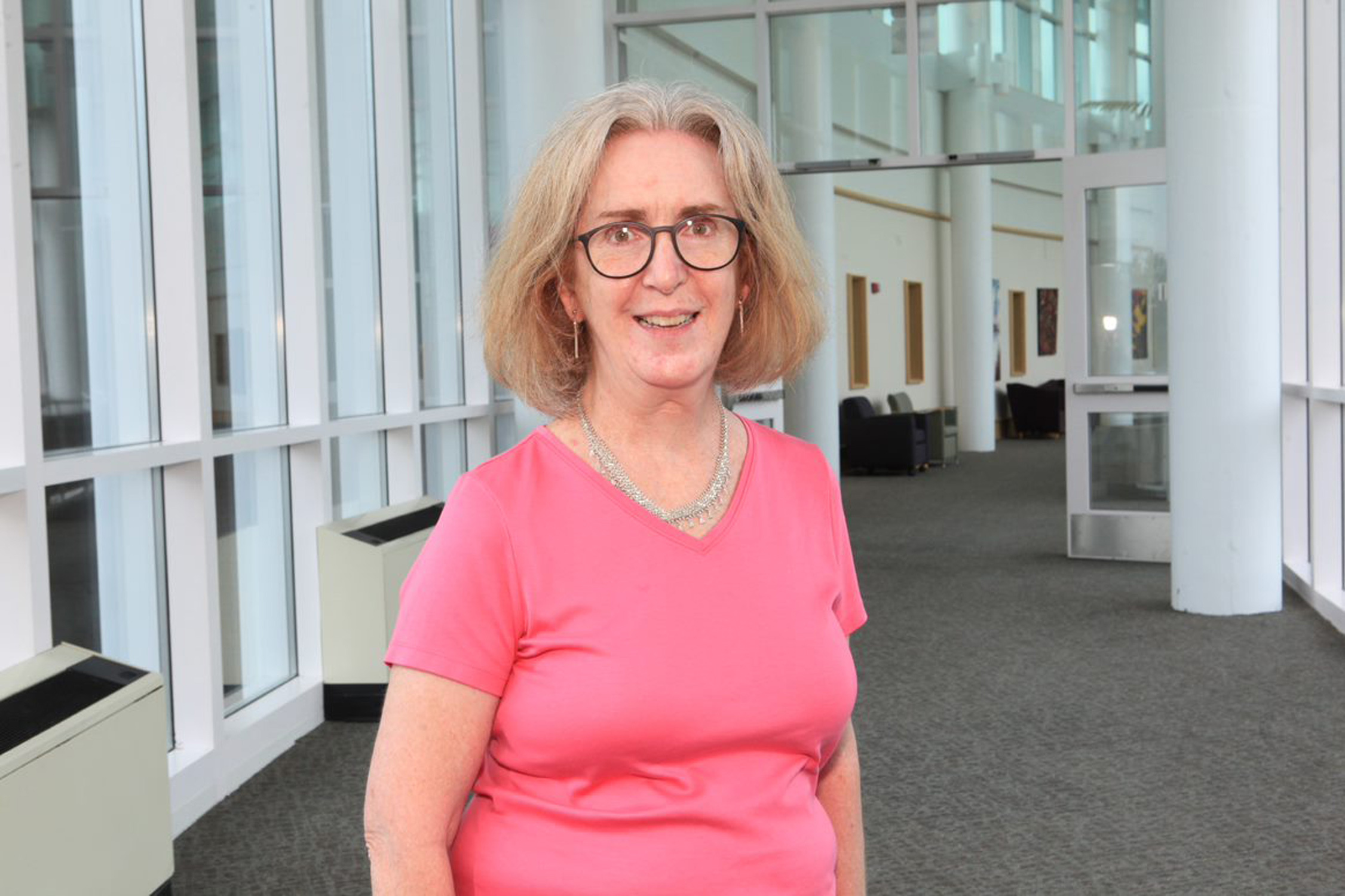
Marilyn Wehr, M.S., LPC (she/her)
Email: marilyn.wehr@ctstate.edu
Phone: 203-332-5018
Office Location: L-115BMarilyn Wehr, MS, LPC, has over 20 years of service at the Housatonic campus. Since 2017, her college roles have included co-op coordinator, career counselor, transfer-out counselor and ODAS campus lead. Her education includes a bachelor of science degree from the University of Massachusetts Amherst and a master of science degree in community counseling from Southern Connecticut State University. Her credentials include licensing as a professional counselor.
-
Manchester Campus
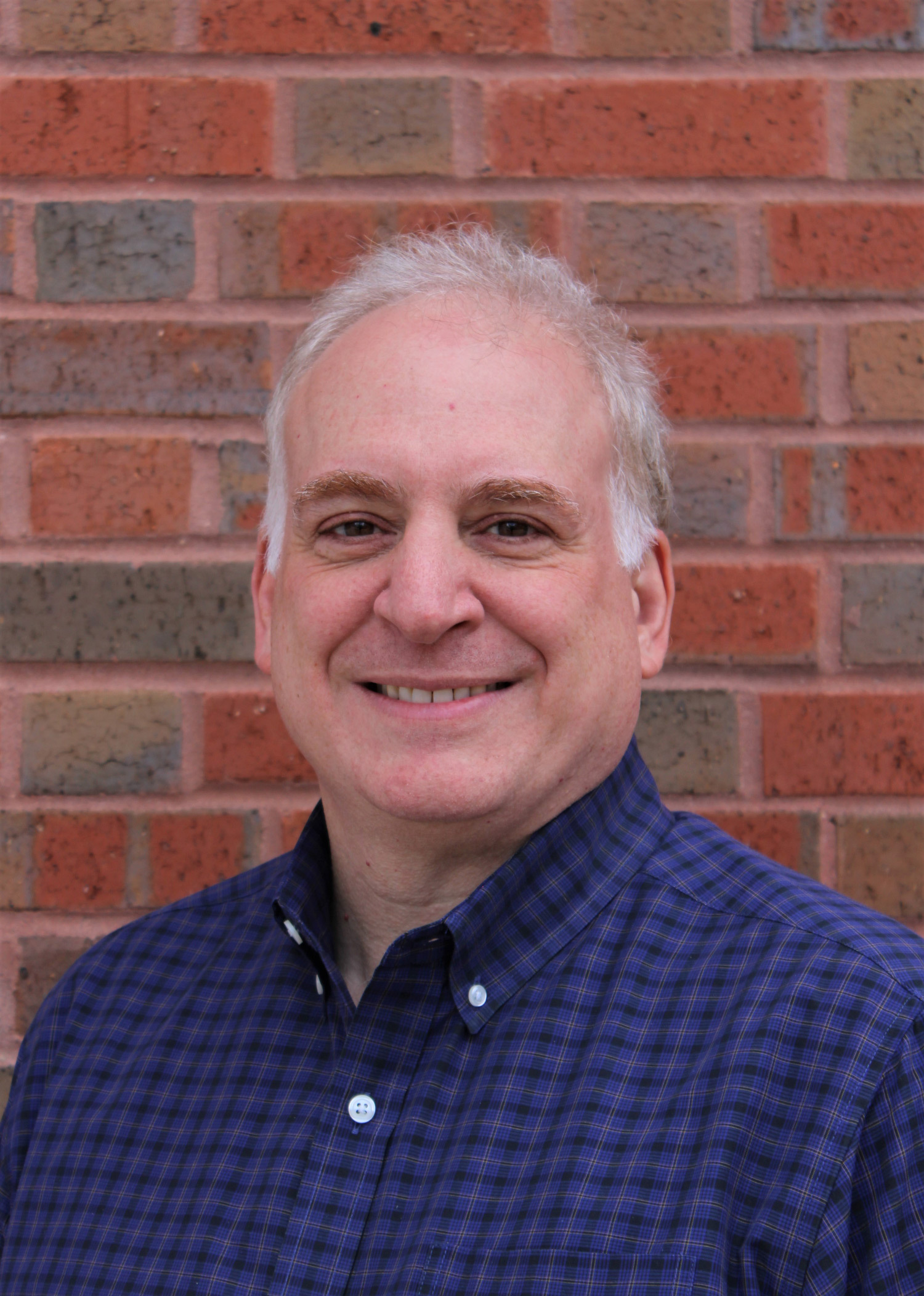
Joseph Navarra, M.S., CRC (he/him)
Email: joseph.navarra@ctstate.edu
Phone: 860-512-3592
Office Location: SSC L131Joseph Navarra has been working at CT State Manchester for over 27 years, first as a counselor and now as the ODAS campus lead. Joe specializes in helping to remove barriers for students with psychological and physical disabilities. Recognizing the importance of good mental health for success in college, Joe actively leads and participates in mental health promotion events on campus. In leading dozens of QPR Institute suicide prevention gatekeeper trainings over the past 12 years for students, faculty, staff and community members, he has helped to create an on-campus safety net for people who are experiencing mental health crises. Outside of his role, Joe serves as the program coordinator for the Speech-Language Pathology Assistant associate degree program.
Outside of work, Joe volunteers for the National Alliance for Mental Illness (NAMI). He has a bachelor of arts degree from Williams College and a master of science degree in rehabilitation counseling from the State University of New York at Buffalo. He is also a Certified Rehabilitation Counselor (CRC).
-
Middlesex Campus
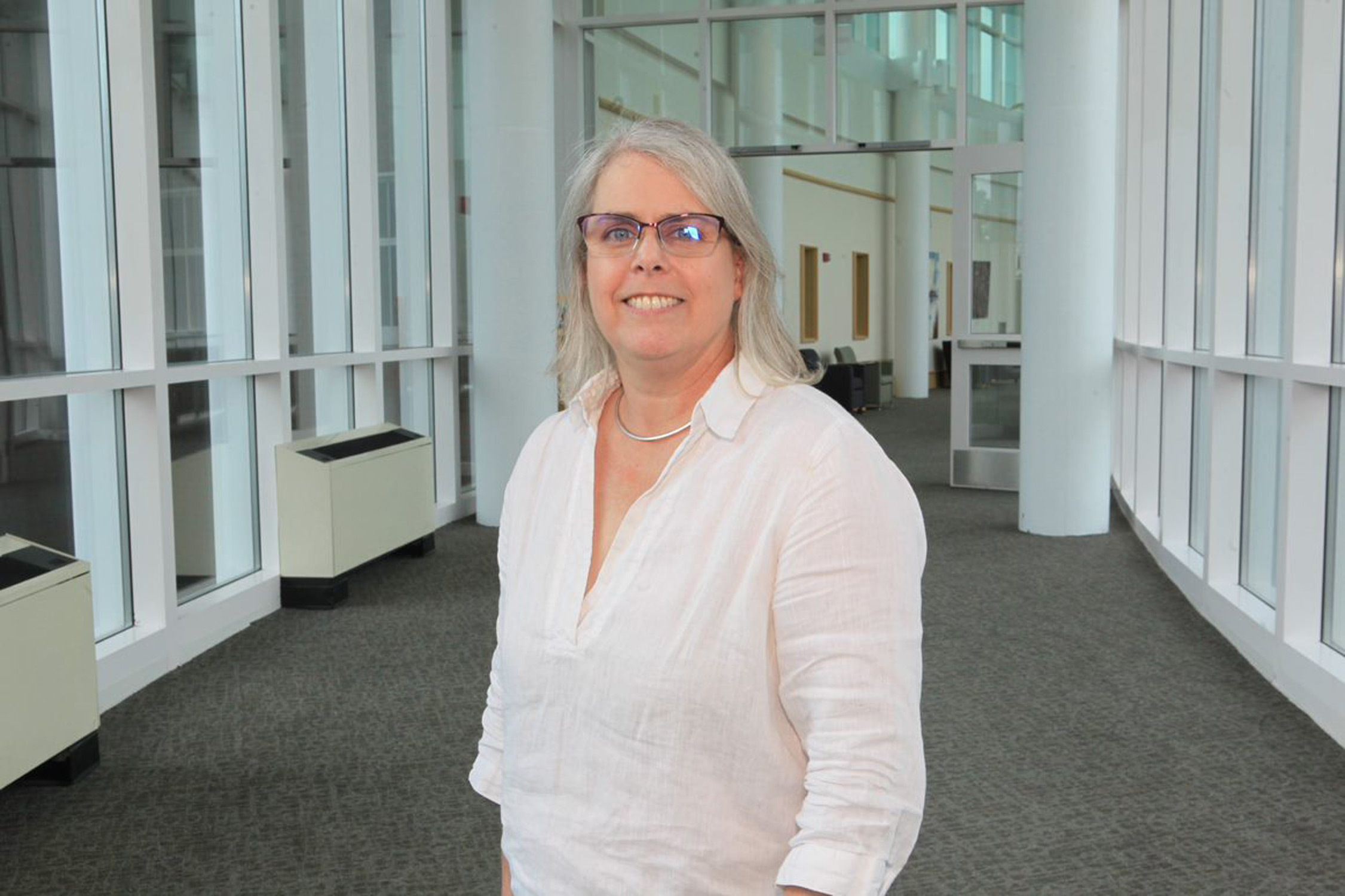
Hilary Phelps, M.A. (she/her)
Email: hilary.phelps@ctstate.edu
Phone: 860-343-5879
Office Location: Founders Hall, Room 141Hilary Phelps has been with Middlesex for more than 25 years and has more than 12 years of experience in disability services, currently serving as the ODAS campus lead.
With a strong commitment to equity and inclusion, Hilary advocates for accessible learning environments and supports students in achieving academic success. Known for her compassionate approach and problem-solving skills, Hilary is a trusted resource for students navigating challenges. Her work reflects a deep dedication to fostering a campus culture where all individuals feel valued, supported and empowered to thrive.
In addition to her work in disability and accessibility services, Hilary is actively involved in the campus and CT State CARE Teams, the Mental Health Coalition and the DEI Committee. She is also an adjunct faculty member teaching College and Career Success.
-
-
Naugatuck Valley Campus

Vincent McCann, M.S. (he/him)
Email: vincent.mccann@ctstate.edu
Phone: 203-596-8608
Office Location: K519Vince McCann is the campus Disability Coordinator at CT State Naugatuck Valley. He has worked for the State of Connecticut for over 33 years, with over 21 years within the community college system and has worked for the past seven years at CT State Naugatuck Valley. He has also worked as an adjunct instructor for more than ten years. He serves as a member of the CT State College Senate, CT State CARE Team and DEI Committee at CT State Naugatuck Valley.
Additionally, Vince has worked as a counselor at Hillsborough Community College and in the TRIO and Gateway to College offices at Springfield Technical Community College. He earned a master of science degree in counseling from Central Connecticut State University.
Vince is passionate about advocating for all students and believes that CT State's mission is an excellent opportunity for all students.
-
Naugatuck Valley Danbury Campus
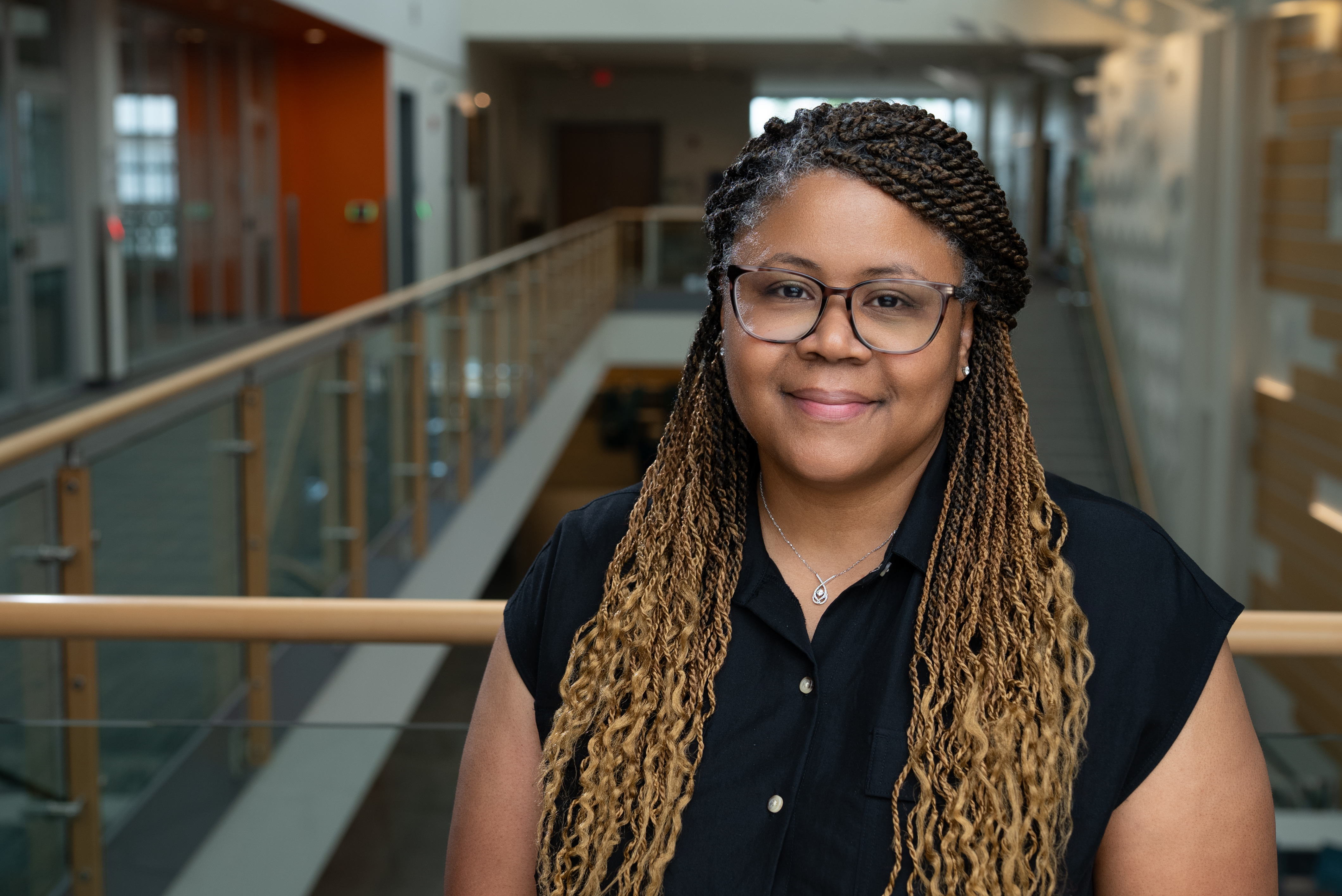
Yvonne Sanders, M.A. (she/her)
Campus Director of Disability and Accessibility Services
Email: yvonne.sanders@ctstate.edu
Phone: 203-437-9699
Direct Phone: 203-437-9640
Office Location: 190 Main Street, Danbury CT 06810 - Administrative OfficeYvonne Sanders (she/her) is the ODAS Campus Lead at Naugatuck Valley Danbury campus. She earned both a master of arts degree in community psychology and a bachelor of arts degree in psychology from the University of New Haven.
Prior to joining CT State, Yvonne served in assistant director roles for a combined eight years at two private four-year institutions, where she provided leadership and oversight of accessibility services and student support programs. She also worked as a vocational rehabilitation counselor with Connecticut Rehabilitation Services, helping individuals with disabilities achieve their educational and employment goals.
Yvonne brings extensive experience and a strong commitment to student success through collaborative, student-centered accessibility services. She's dedicated to creating an inclusive learning environment that promotes equitable access to educational opportunities, removes barriers to participation and empowers students with the resources and support they need to thrive academically and personally.
-
-
Northwestern Campus
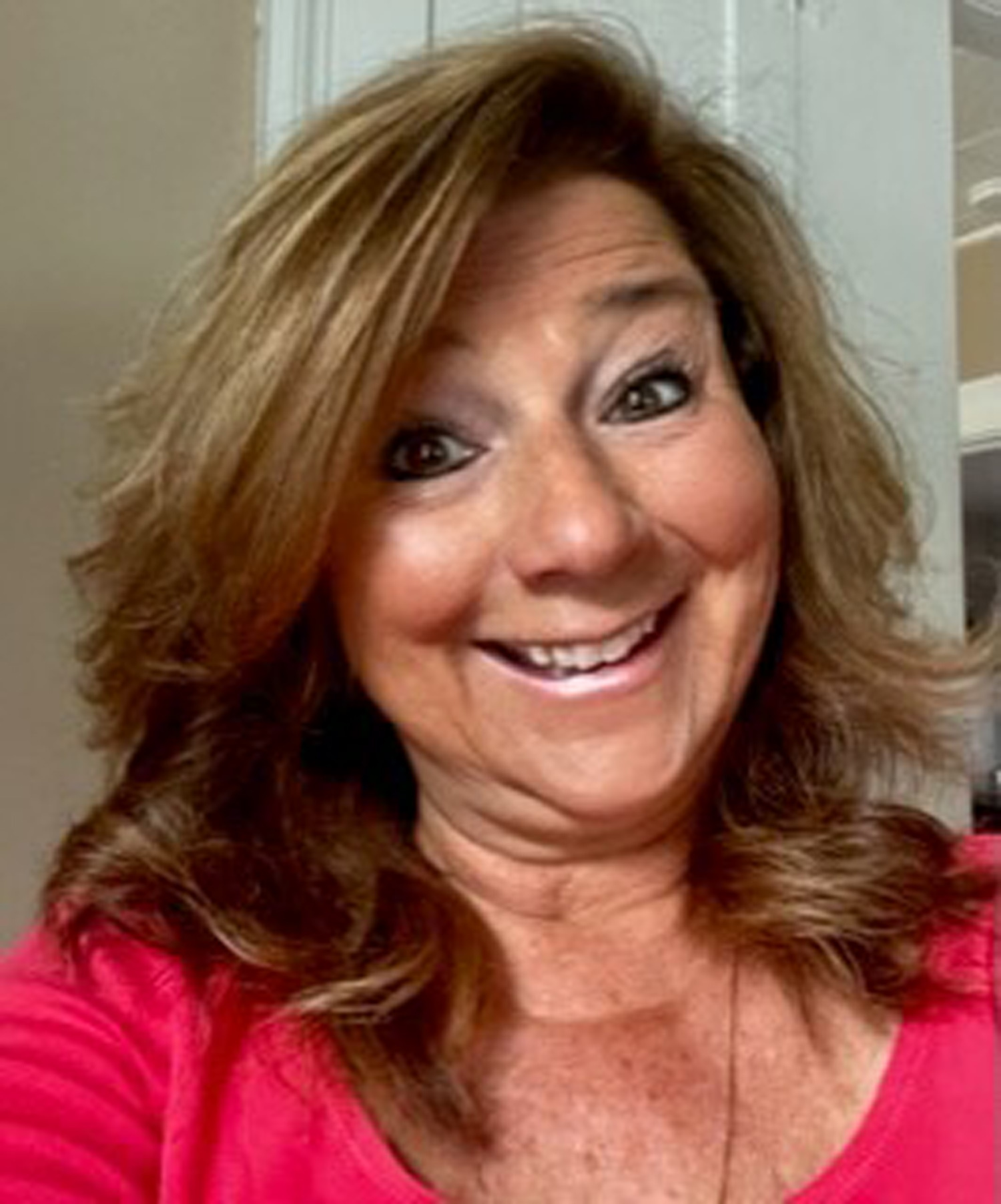
Daneen Huddart, M.A. (she/her)
Email: daneen.huddart@ctstate.edu
Phone: 860-738-6318
Office Location: Greenwoods 211, Founders Hall 102Daneen Huddart has over ten years of experience working as the ODAS campus lead at CT State Northwestern. She holds both bachelor's and master's degrees in counseling from Millersville University and Marymount University, along with additional higher-education coursework from St. Joseph University.
Throughout her career, Daneen has worked with students to provide mental health counseling. She has also worked in community mental health and in the K-12 system as a paraprofessional. She's a strong advocate for helping all students, especially students with disabilities, reach their full potential. She strives to understand each person's unique situation and help them develop their capabilities and gain new skills.
Daneen has attended and developed trainings for students, faculty and staff to create a more inclusive environment at CT State Northwestern. She is also involved in human rights and DEI initiatives.
-
Norwalk Campus
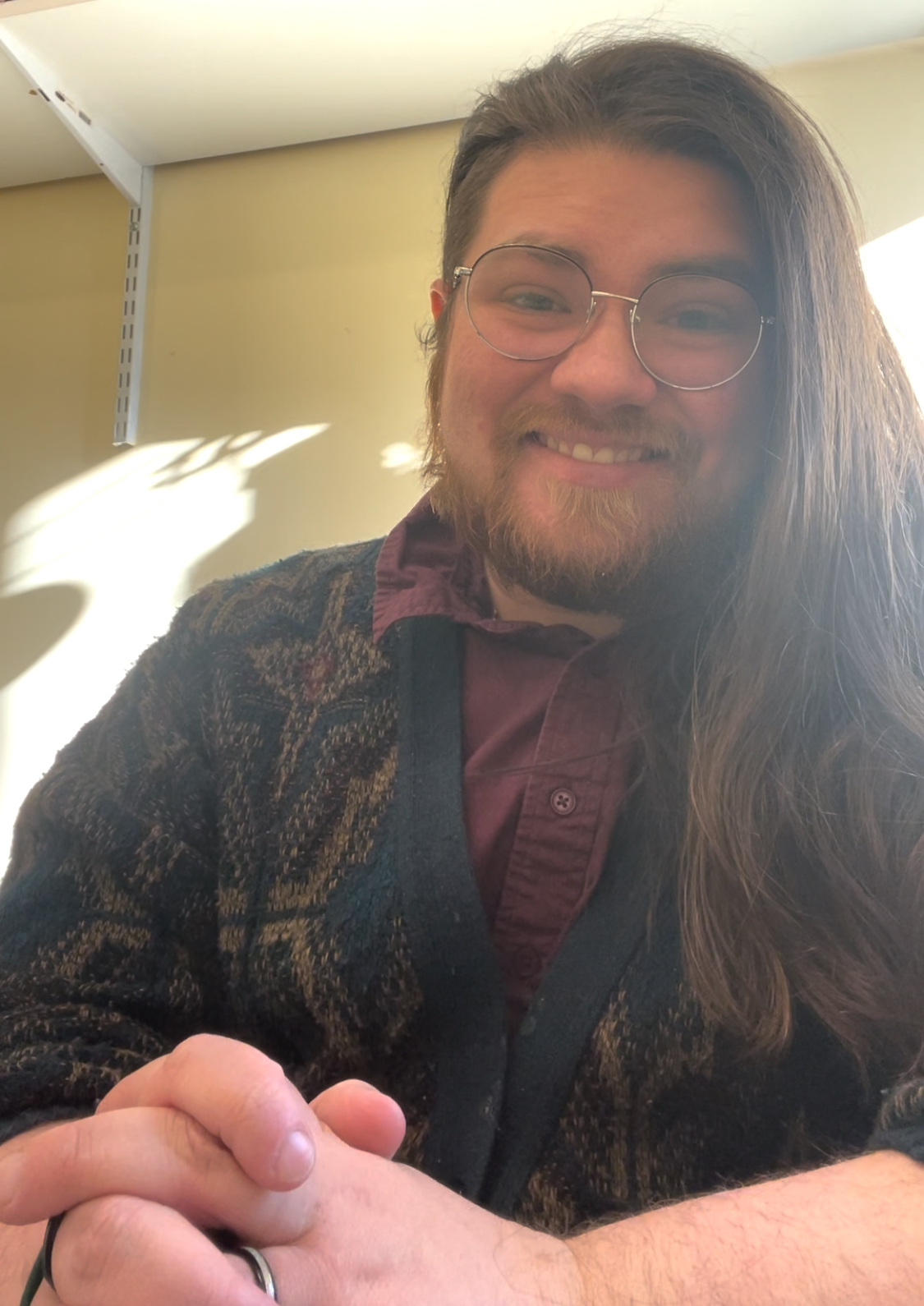
Kenny Dalton (he/him/his)
Email: kenny.dalton@ctstate.edu
Phone: (203) 857-6941
Office Location: E101AKenny Dalton (he/him/his) is the Interim Campus Disability Coordinator at CT State Norwalk. Kenny has worked in student disability services for the past six years.
Before coming to CT State Norwalk as an adaptive technology specialist, Kenny served as the Accessibility Coordinator at Springfield College. Collaboration across offices, self-advocacy skill development and promoting inclusive institutional change are pillars of Kenny's approach to his role.
A proud community college graduate himself, Kenny comes with an academic background in accessibility studies from Seattle Central Community College and Central Washington University and is currently pursuing a master's degree in student development in higher education.
In addition to his role as Campus Disability Coordinator, Kenny also serves on the LGBTQIATS+ Taskforce and was recently a cast member in CT State Norwalk's 15th Annual Performing Arts Festival.
-
Quinebaug Valley Campus

Taiwo Osborne, M.S. (he/him)
Email: taiwo.osborne@ctstate.edu
Phone: 860-932-4299
Office Location: C129CTaiwo Osborne is the Interim Campus Director for Disability and Accessibility Services at CT State Quinebaug Valley in Danielson and Willimantic. Taiwo has more than 25 years of experience supporting youth and adults in education, counseling and student services. He has worked as an educator, counselor and program leader in nonprofit and higher education settings, with a focus on expanding opportunities for first-generation, low-income and underrepresented students. Taiwo holds a master of science degree in nonprofit leadership from Fordham University and is passionate about creating supportive environments where students can succeed.
-
Three Rivers Campus
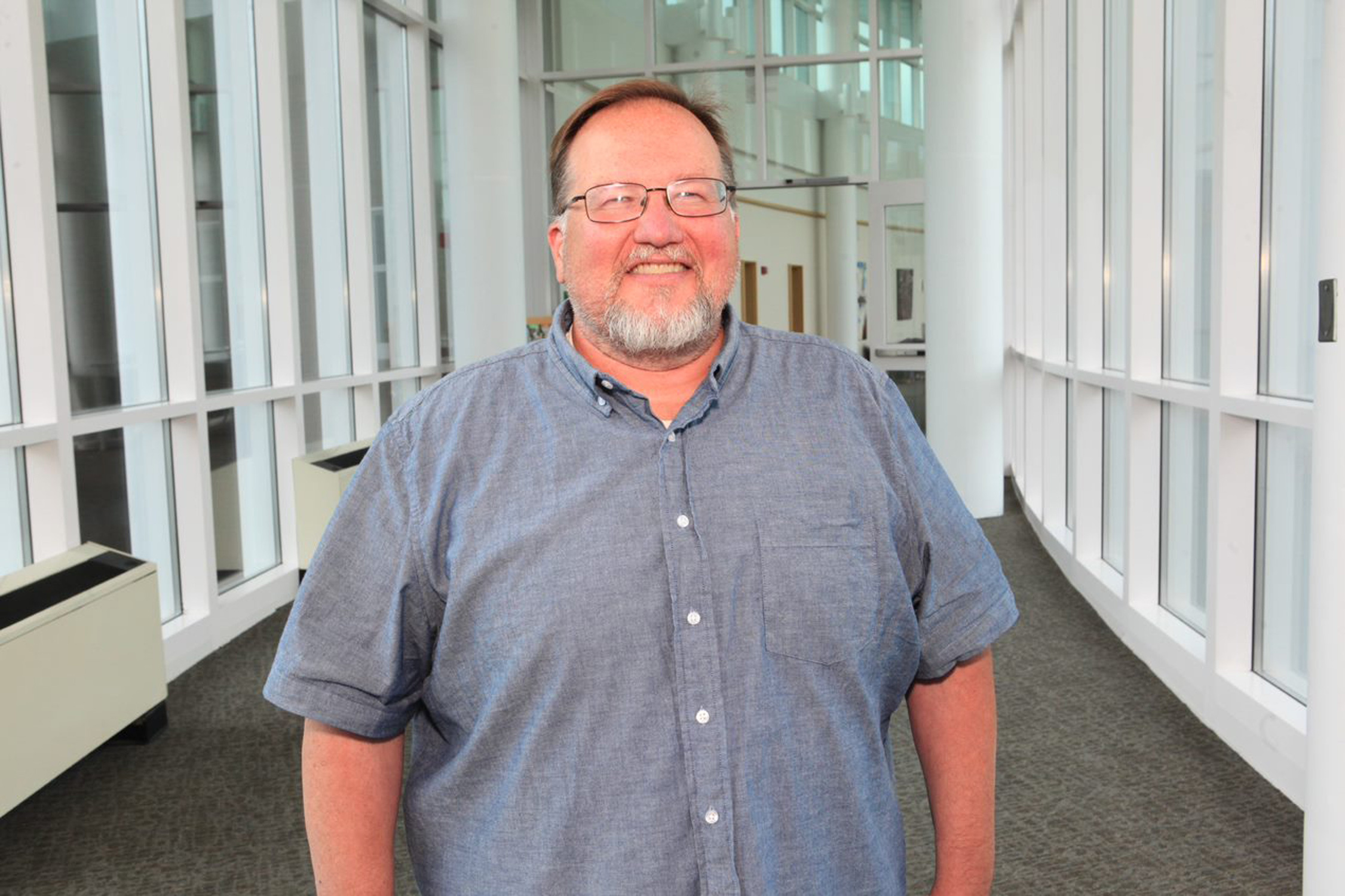
Matthew Liscum, M.S. (he/him)
Email: matthew.liscum@ctstate.edu
Phone: 860 215-9265
Office Location: C170Matt Liscum has worked at CT State Three Rivers for 24 years in a variety of roles, including tech prep coordinator, adjunct instructor, counselor, first-year experience coordinator and now, ODAS Campus Lead. Previously, he worked for five years combined at Eastern Connecticut State University and the University of Massachusetts Boston.
In addition to his work with ODAS, he is currently involved with the Three Rivers campus Student Relief Fund, Mental Health Coalition and DEI Committee and as well as the CT State CARE Team.
A grateful graduate of a community college (associate of arts from the State University of New York at Canton), he also has a bachelor of science degree from the State University of New York at Cortland and a master of science degree in counseling from the State University of New York at Oneonta.
-
Tunxis Campus
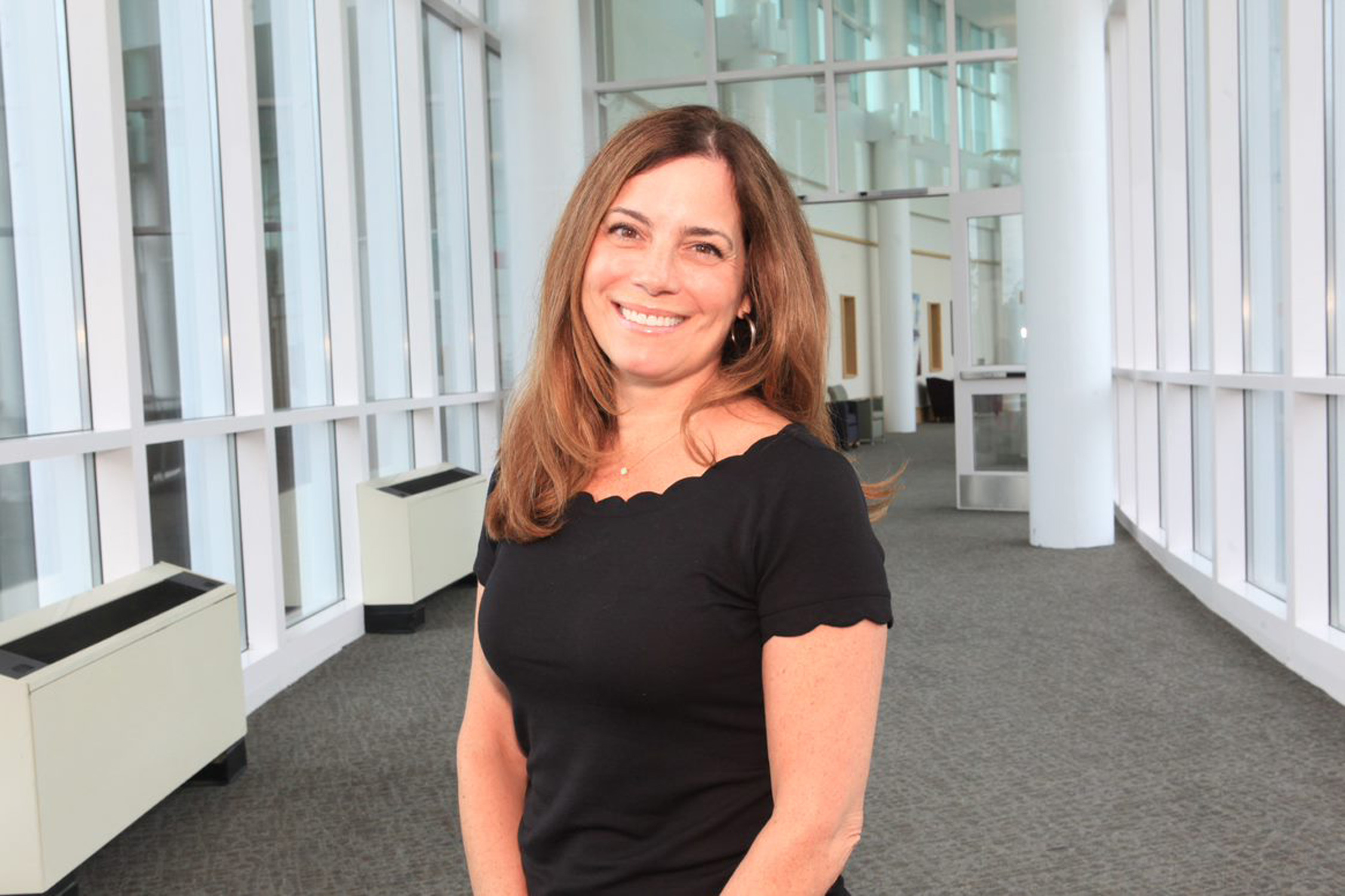
Debbie Kosior, M.S. (she/her)
Email: deborah.kosior@ctstate.edu
Phone: 860-773-1526
Office Location: ASTC 6-106Debbie Kosior is the ODAS Campus Lead at CT State Tunxis. She holds a master of science degree in disability services in higher education from CUNY School of Professional Studies and has over a decade of experience supporting students in higher education.
Debbie enjoys creating engaging, innovative professional development experiences, disability-related trainings and events. She has even developed an accessibility-focused escape room that builds awareness and promotes inclusion across her campus and the college. She fosters a culture of inclusion by advising faculty and staff on accessibility and best practices to ensure equitable access. Her work extends beyond the Tunxis campus, contributing to systemwide efforts that strengthen access for students with disabilities across CT State.
She has received several honors for her contributions, including the CSCU Betsey Doane Innovation Award for Accessibility and Inclusion and the Student Affairs Above and Beyond (SAAB) award from the Tunxis campus. Debbie brings a student-centered, collaborative approach to her work and is dedicated to fostering a more inclusive and accessible college environment where students are supported in reaching their full potential.
Frequently Asked Questions
While the process to request accommodations may seem overwhelming at first, we have developed some frequently asked questions to help guide some potential concerns you may be experiencing.
-
Accommodations, modifications and special education services are covered under IDEA (Individuals with Disabilities Education Act) which ends when a student graduates from high school. Therefore, colleges do not provide special education services.
CT State provides reasonable and appropriate accommodations in accordance with the Americans with Disabilities Act (ADA) and Section 504 of the Rehabilitation Act.
-
If you had an IEP or 504 plan in high school and/or have a diagnosed disability, you may be eligible for accommodations at CT State. The process to obtain accommodations in college changes from the process students may have experienced in high school. It is important that students develop their self-advocacy skills and understand which accommodations best support their learning.
The chart below highlights some key differences between high school and college in the accommodation process.
HIGH SCHOOL
COLLEGE
Structured
Unstructured
The school and parents/caregivers direct disability-related needs
Each student directs their disability-related needs
The school is obliged to meet most student needs
“Reasonable” accommodations are provided
The student’s IEP or 504 plan outlines accommodations
The documentation provided by the student outlines reasonable accommodations
High parent/caregiver involvement
Limited parent/caregiver involvement
Frequent school-to-parent/caregiver communication
Limited/no school-to-parent communication
High teacher involvement and responsibility
High student involvement and responsibility
May provide tutors, attendants, and/or paraprofessionals
Not required to provide tutors, attendants, and paraprofessionals (unless provided for all students)
-
Accommodations do not transfer from high school to college. Instead, CT State’s Office for Disability and Accessibility Services works with students to determine reasonable accommodations for the college environment. Please keep in mind that your high school accommodation plan (IEP, 504, etc.) does not automatically transfer. Additionally, accommodations granted in high school may not be considered reasonable in college.
-
Postsecondary institutions are required to comply with the Americans with Disabilities Act (ADA) and Section 504 of the Rehabilitation Act. To comply, post-secondary institutions must provide reasonable accommodations to ensure that the student can access their college program. A reasonable accommodation is an adjustment to a course, program, service, job activity or facility that ensures equal opportunity for qualified students with disabilities to participate in and enjoy the benefits of a service, program or activity. The purpose of reasonable accommodations is to afford students with disabilities equal opportunities to receive equal results. Reasonable accommodations cannot substantially alter, change, or modify grading, assignments, exams, instructional methods or class activities.
-
The information that you share with the Office for Disability and Accessibility Services is strictly confidential. Your disability status will never be listed on your transcript or any other document from the college.
-
The Office for Disability and Accessibility Services does not conduct or provide evaluations to determine if a student has a disability. However, our staff is happy to meet with you and offer guidance. We can provide information about local options if a student feels that they would benefit from an evaluation.
-
The Office for Disability and Accessibility Services recognizes that a student can develop or become aware of a disability at any time. Students are strongly encouraged to submit their semester requests as early as possible. Approved accommodations are not retroactive. However, a student may request reasonable accommodations at any time during the semester.
-
When a student is in high school, parents and caregivers are legally entitled to participate in the process of determining accommodations and supports. At the college level, the Family Educational Rights & Privacy Act (FERPA) protects a student’s privacy. If a parent or caregiver wishes to speak to staff from the Office for Disability and Accessibility Services, the student must provide their consent in advance.
-
For any inquiries about the rules for service animals on CT State campuses, please refer to the CT State Service Animals Guidelines or reach out to the Office for Disability and Accessibility Services on each campus.
Guidelines for Specific Disabilities
The Office for Disability & Accessibility Services (ODAS) is committed to providing accommodations and services to students with disabilities to ensure equal access to the educational environment. ODAS providers engage in an interactive process with each student and review requests for accommodations on a case-by-case basis. ODAS considers each student’s condition(s), history, lived experience, and self-report. to determine eligibility for accommodations, auxiliary aids, and/or additional services as a result of their disability. A disability is present when one or more major life function is impacted. Examples of major life functions include, but are not limited to seeing, hearing, learning, reading, speaking, breathing, and working.
While student self-report is a vital source of information to determine accommodations under Section 504 of the Rehabilitation Act of 1973, the Americans with Disabilities Act (ADA) 1990, and the Americans with Disabilities Amendment Act 2008 (ADAAA), ODAS requests documentation to substantiate the impact a disability has on the student in a postsecondary/higher education environment. The disability documentation students submit must, at minimum, verify two things: (1) the presence of a diagnosed disability or medical condition and (2) the current impact of the diagnosed disability or medical condition.While the documents listed below are comprehensive in nature, ODAS encourages students to submit any documentation you have and begin the interactive process.
Documentation Guidelines
-
Please consider the following regarding documentation:
- Students should submit their most current assessments and/or evaluative reports conducted by school psychologists, physicians, medical professionals, etc., which may assist in determining academic accommodations.
- Documentation should provide a clear and detailed comprehensive assessment of the disability and/or diagnosis provided by a qualified professional.
- This documentation should substantiate the need for these services based on the individual’s current level of academic functioning in an educational setting.
- Individualized Education Plans (IEPs), Summary of Performance (SOPs), or Section 504 Plans from high schools are not sufficient on their own and therefore students are asked to also submit the most recent Psychological/Educational Evaluation Report completed in high school.
- Prior receipt of accommodations (e.g., in high school or in another postsecondary institution) helps to inform the process of determining accommodations; however, they do not guarantee receipt of the same accommodations. Likewise, approval of accommodations through CT State Community College does not guarantee the receipt of the same accommodations at other postsecondary institutions.
- A Verification of Disability form is available to assist students who are currently working with a professional in the health field.
- If the documentation specified in the guidelines below is not available, please submit what you have for review and further guidance.
A request for new accommodations or a review of current accommodations may be considered at any time. Please contact your DAS Provider for next steps.
Comprehensive documentation should include a recent evaluation by the appropriately credentialed professional, who is not a family member, which makes evident the current academic impact of the disability as it relates to the accommodations and services requested. Accommodation decisions are made through an interactive, individualized process based on the functional limitations of the disability and information provided by the student. Transfer students should submit their disability documentation and are also encouraged to provide an Accommodation Letter from their previously attended college or university.
All information received is confidential and is used by DAS for the sole purpose of determining a student’s eligibility for services and determining academic accommodations.
If the documentation provided is incomplete or insufficient to determine whether the student qualifies as having a disability or is eligible for accommodations, DAS may require additional documentation. Any cost incurred in obtaining additional documentation is the responsibility of the student. Missing information may result in a delay in reviewing a student’s request for accommodations.
-
Documentation of Disability Form
DAS has developed a Documentation of Disability form which students can ask their provider to complete documenting their disability and need for accommodations. DAS also recommends that in addition to the form, students share the appropriate documentation guidelines below with their physician/clinician.
Guidelines for Specific Disabilities
-
Acquired Brain Injury
Students requesting accommodations on the basis of an Acquired Brain Injury (ABI), which includes Traumatic Brain Injury (TBI) are to provide documentation that reflects the current impact of the disability on academic performance including:
- A Neuropsychological evaluation containing assessments of intellectual, conceptual, and cognitive competence; academic skills; personality status; motor facility of all extremities; sensory, perceptual, and processing efficiency; visual, auditory, and tactile facility; speech, language, and communication ability; and evaluation of memory and attention.
- An integrated summary that: • Indicates executive functioning deficits expected to impact postsecondary education performance and appropriate adjustments, • Describes the impact of the limitations specifically on learning (e.g., reading, math, and written expression), • Identifies concerns with negotiation of the college environment and suggests strategies, and • States how the effects of the brain injury are mediated by the recommended adjustments.
For a list of other acceptable forms of documentation: Utilization of particular evaluation techniques at the discretion of the evaluator possibly including; Bender-Gestalt, Halstead Reitain Battery (or selected parts); Detroit Tests of Learning Aptitude - 4 (DTLA-4) or Detroit Tests of Learning Aptitude - Adult (DTLA-A); Luria Nebraska Battery (or selected parts); Peabody Individual Achievement Test-R/NU (or other adult individual achievement tests); Woodcock Reading Mastery Tests- Revised/NU; Woodcock-Johnson III; and the Spache Written Language Assessment.
-
Attention Deficit Hyperactivity Disorder
Students requesting accommodations on the basis of attention deficit hyperactivity disorder (ADHD) are to provide documentation by a professional (e.g., psychologists, psychiatrists, neuropsychologists, licensed therapists, and other relevantly trained medical professionals). Documentation for students requesting accommodations on the basis of ADHD should include:
- Evidence of current impairment. A history of the individual's presenting attentional symptoms and evidence of current impulsive/hyperactive or inattentive behaviors that significantly impair functioning.
- A discussion of the Neuropsychological or Psycho-educational assessments administered, if applicable, to determine the current impact of the disorder on the individual's ability to function in an academic setting.
- Information about prescribed medications, if applicable, that may influence the types of accommodations provided, including any possible side effects.
- An integrated summary that: • indicates the substantial limitations to major life activities posed by the disability, • Describes the impact of the disability in an educational setting and suggests possible accommodations.
-
Autism Spectrum Disorder
Students requesting accommodations on the basis of autism spectrum disorders (ASD) are to provide documentation from a professional (e.g., psychologists, psychiatrists, neuropsychologists, licensed therapists, and other relevantly trained medical professionals). Requested documentation should be in the form of a comprehensive neuropsychological evaluation accompanied by a clinical statement reviewing history and current symptoms. Comprehensive diagnostic evaluations should include:
- Standardized cognitive testing, such as the Wechsler Adult Intelligence Scale (WAIS) or Wechsler Intelligence Scale for Children (WISC) that details current cognitive functioning.
- Achievement testing, such as the Woodcock Johnson (WJ) or Wechsler Individual Achievement Test (WIAT).
- Current level of social/emotional functioning.
- Integrated narrative summary, including impact of symptoms on learning and/or communicating.
- A clinical interview including a description of the presenting problem(s) including any significant developmental, medical, psychosocial and employment; and family history.
- Prescribed medications, dosages and schedules that may influence the types of accommodations provided, including any possible side effects. Information about prescribed medications, if applicable, that may influence the types of accommodations provided, including any possible side effects.
- Co-morbid diagnoses, if present and impacting the educational environment, should include documentation and/or evaluations by allied health professionals such as speech/language assessments, occupational therapy records, statements from therapist or other treating professionals.
-
Blindness or Low Vision
Students requesting accommodations on the basis of low vision or blindness are to provide current documentation from a professional that includes:
- An ocular assessment and narrative summary or evaluation from an Ophthalmologist.
- A low-vision evaluation of residual visual function, when appropriate.
- Describes the impact of the disability in an educational setting and suggests possible accommodations.
-
Chronic Health-Related Disabilities
Students requesting accommodations on the basis of a chronic health-related disability are to provide current documentation from a medical professional that includes:
- An identification of the disabling condition(s).
- Describes the impact of the health-related condition in an educational setting and suggests possible accommodations.
- Describes the degree and range of functioning for a progressive condition.
- Prescribed medications, dosages and schedules that may influence the types of accommodations provided, including any possible side effects. Information about prescribed medications, if applicable, that may influence the types of accommodations provided, including any possible side effects.
-
Deaf or Hard of Hearing
Students requesting accommodations on the basis of being deaf or hard of hearing are to provide current documentation from a professional that includes:
- An audiological evaluation and/or Audiogram administered by an Otorhinolaryngologist (ENT), Otologist, or licensed Audiologist.
- An interpretation of the functional implications of the diagnostic data and hearing aid evaluation, where appropriate.
- Describes the impact of the disability in an educational setting and suggests possible accommodations.
-
Intellectual Disabilities
Students requesting accommodations on the basis of an intellectual disability are to provide current documentation from a professional (e.g., clinical or educational psychologists, school psychologists, neuropsychologists, special education teachers). Requested documentation should be in the form of a comprehensive neuropsychological evaluation accompanied by a clinical statement reviewing history and current symptoms. Comprehensive diagnostic evaluations should include:
- Standardized cognitive testing, such as the Wechsler Adult Intelligence Scale (WAIS) or Wechsler Intelligence Scale for Children (WISC) that details current cognitive functioning.
- Achievement testing, such as the Woodcock Johnson (WJ) or Wechsler Individual Achievement Test (WIAT).
- Current level of social/emotional functioning.
- Integrated narrative summary, including impact of symptoms on learning and/or communicating, • the substantial limitations to major life activities posed by the disability, • suggests how the specific effects of the specified disability may be accommodated.
Note: Individual "learning styles," "learning differences," "academic problems," and "slow learner” and test difficulty or anxiety" in and of themselves do not constitute a disability at the postsecondary level.
-
Learning Disabilities
Individualized Education Plans (IEPs), Summary of Performance (SOPs), or Section 504 Plans from high schools are not sufficient on their own and therefore students are asked to also submit the most recent Psychological/Educational Evaluation Report completed in high school.
Students requesting accommodations on the basis of a learning disability are to provide current documentation from a professional (e.g., clinical or educational psychologists, school psychologists, neuropsychologists, learning disabilities specialists, special education teachers). Requested documentation should be in the form of a comprehensive neuropsychological evaluation accompanied by a clinical statement reviewing history and current symptoms. Comprehensive diagnostic evaluations should include:
- Standardized cognitive testing, such as the Wechsler Adult Intelligence Scale (WAIS) or Wechsler Intelligence Scale for Children (WISC) that details current cognitive functioning.
- Achievement testing, such as the Woodcock Johnson (WJ) or Wechsler Individual Achievement Test (WIAT).
- Integrated narrative summary, including impact of symptoms on learning and/or communicating, • current level of social/emotional functioning, • the substantial limitations to major life activities posed by the disability, • suggests how the specific effects of the specified learning disability may be accommodated.
Note: Individual "learning styles," "learning differences," "academic problems," and "test difficulty or anxiety" in and of themselves do not constitute a disability at the postsecondary level.
-
Physical Disabilities
Students requesting accommodations on the basis of a physical disability are to provide current documentation from a medical professional that includes:
- An identification of the disabling condition(s).
- Describes the impact of the disability in an educational setting and suggests possible accommodations.
- Describes the degree and range of functioning for a progressive condition.
-
Psychological Disabilities
Students requesting accommodations on the basis of a psychological disability are to provide current documentation from a licensed mental health professional. Documentation from other medical providers will be considered and reviewed for provisional accommodations. Documentation should include, but not be limited to:
- An integrated summary that: • indicates a specific, current psychiatric diagnosis as per the DSM of the American Psychiatric Association, • indicates the substantial limitations to major life activities posed by the psychological disability, • Describes the impact of the health-related condition in an educational setting and suggests possible accommodations, • includes a description of the presenting problem(s) including any significant developmental, medical, psychosocial and employment; and family history.
- Prescribed medications, dosages and schedules that may influence the types of accommodations provided, including possible side effects. Information about prescribed medications, if applicable, that may influence the types of accommodations provided, including any possible side effects.
Note: Emotional Disturbance (ED) is an educational label and does not constitute a disability at the postsecondary level.
Due to the evolving and changing nature of psychological disabilities, providing current updates is helpful to ensure appropriate supports are considered.
-
Temporary Disabilities
Disability and Accessibility Services (DAS) may also assist students who have a temporary injury or condition, which results in a functional limitation in an academic setting. Examples may include broken bones and pregnancy; for example, a scribe or note taking assistance may be appropriate for a student with a broken arm.Assistance is determined on a class-by-class basis and is dependent upon the nature of each course and the method of instruction as it relates to the student’s functional limitations. Accommodations are extended to students with temporary conditions for the duration of their functional limitations associated with the condition.
Since temporary conditions can occur at any point during the semester, the timing can significantly impact the accommodation options available to the student. Timely and open communication with DAS, faculty and other campus offices, as needed,about the nature and duration of the condition and requested assistance can often result in satisfactory solutions to the short-term issues caused by the injury or condition. Students with temporary injuries or conditions are encouraged to contact DAS to determine accommodation options.
Appeals Process
Students or faculty members who disagree with the academic accommodations approved by the Office for Disability and Accessibility Services (ODAS) and wish to appeal a decision made by ODAS, must first attempt to resolve the issue with the designated ODAS Lead on their campus. If the issue remains unresolved after this initial step, the following formal appeal process should be followed:
1. Submit Completed Appeal Form
Complete the Appeal Form within 10 business days of the attempt to resolve it with ODAS. The appeal should include all relevant information, such as a timeline of events, any relevant correspondence and any supporting documentation.
Complete the Accommodation Appeal Form
2. Review Meeting
A meeting will be scheduled between the individual submitting the appeal and the administrator responsible for reviewing it.
Student Appeals will be reviewed by Vera Dimoplon, Director of Accessibility and Disability Services for CT State Community College, in collaboration with a panel of campus ODAS Leads.
Faculty Appeals will be reviewed by Vera Dimoplon, Director of Accessibility and Disability Services for CT State Community College, along with selected campus ODAS Leads and academic affairs professionals.
3. Further Action
If the outcome of the appeal remains unsatisfactory, the individual may file a formal complaint with the CT State Office of Equity and Civil Rights.
If the individual remains dissatisfied with the outcome of the appeal, they may submit a formal complaint to the U.S. Department of Education's Office for Civil Rights.
For questions regarding the appeal process, please contact Vera Dimoplon, Director of Accessibility and Disability Services, at vera.dimoplon@ctstate.edu.
Animals on Campus
CT State is committed to providing equal access for students, employees and visitors with disabilities. In accordance with Board of Regents (BOR) Policy 5.10 and the Americans with Disabilities Act (ADA), service animals are permitted on campus when they assist individuals with disabilities. This video provides a brief overview of the college's service animal policy, including the rights and responsibilities of individuals using service animals and the guidelines for accessing science labs.
|
Timestamp |
Audio |
Visual |
|---|---|---|
|
0:00 |
No audio |
CT State Community College logo slides across the screen |
|
0:03
|
Office for Disability and Accessibility Services: Service Animals
|
Office for Disability and Accessibility Services: Service Animals
|
|
0:10
|
Ever noticed a dog on campus and wondered, "Is that allowed?"
|
Animated people in a classroom standing in a group. A blind person with a dog walks in. Others look confused. |
|
0:14 |
At CT State, service animals are part of our commitment to a campus where every student has equal access to education.
|
Animated characters standing outside CT State building. Character with dog from previous screen walks into the frame. |
|
0:22
|
Not all assistance animals are the same. Therapy animals provide comfort and visit the campus only by invitation.
Emotional support animals help reduce symptoms of a disability, but aren't trained for specific tasks. They need advanced approval and are generally limited to approved spaces. |
Text on screen: Types of Assistance Animals Therapy Animals (cat icon)
Emotional Support Animals (dog icon)
|
|
0:39 |
Service animals are different. Under the ADA, a service animal is a dog or in rare cases, a miniature horse trained to perform specific tasks for a person with a disability.
|
Text on screen: Types of Assistance Animals Service Animal (icon of dog wearing service vest) Trained to perform specific tasks Small horse pops up on screen when they are mentioned. |
|
0:52
|
Guiding someone who is blind, alerting someone who is deaf, detecting seizures, assisting with mobility or helping manage PTSD. Service animals are working animals, not pets and can go almost anywhere on campus with their handler, even where food is served.
|
Blind person with dog walks across blank blue screen. Three more people with service dogs pop up on screen. Text pops up in center that says “Service animals are working animals!” and “Can go almost anywhere on campus; including where food is served.” |
|
1:08 |
If you have a service animal, know your rights. |
Text on screen: If you have a service animal know your rights. |
|
1:11 |
Staff may only ask two questions. Is the service animal required because of a disability? And what work or task has the dog been trained to perform? No one can ask you about your disability or demand paperwork or certification.
|
Text on screen: “Staff may ask” Blind person with dog is approached by staff member. Speech bubble pops up “Is the service animal required because of a disability?” replaced by “what work or task has the dog been trained to perform?” Text pops up in center: No one can ask about your disability. No one can demand paperwork or certification. |
|
1:25 |
Science labs involve unique safety and accessibility considerations. With chemicals and equipment, only service animals are permitted, and planning ahead is essential. |
Blind person interacts with faculty member in science lab. |
|
1:35 |
Connect with your instructor and the office for disability and accessibility services before classes begin to work out a safe spot for your service animal, emergency procedures and any protective gear it may need, like paw coverings or eye protection.
|
Text on screen: Connect with your instructor and ODAS before classes begin to discuss:
Service dog pops up on screen wearing safety goggles and paw covering. |
|
1:49 |
Additional resources can be found at ada.gov/topics/service-animals and also on the CTS state office for disability and accessibility services website.
|
Text on screen: Additional resources can be found at… Ada.gov/topics/service-animals ...and also on the CT State Office for Disability and Accessibility Services (ODAS) website! |
|
2:00 |
Accessibility is everyone's responsibility. To learn more, visit the Office for Disability and Accessibility Services at ctstate.edu/odas. Together, we're building a college where everyone can succeed.
|
Accessibility is everyone’s responsibility! Visit us at ctstate.edu/odas Building a college where everyone can succeed! |
For more detailed information, please refer to the CT State Service Animals Guidelines. If you have questions, please reach out to the CT State Director of Accessibility and Disability Services, Vera Dimoplon, at vera.dimoplon@ctstate.edu.
- Hits: 103239


