Student Handbook
Student Handbook for Academic Year 2025-2026
- Hits: 926
Student Handbook for Academic Year 2025-2026
The College of Technology (COT) provides career pathways for students to earn certificates, Associate of Science and Bachelor of Science degrees in Engineering and Technology disciplines. COT reduces barriers to education by providing a seamless articulation between CT State and the four-year partner universities and offering multiple points of entry for completion of degrees.
The two main transfer programs are Engineering Science, which transfers into many different four-year Engineering Bachelor's degrees and Technology Studies.
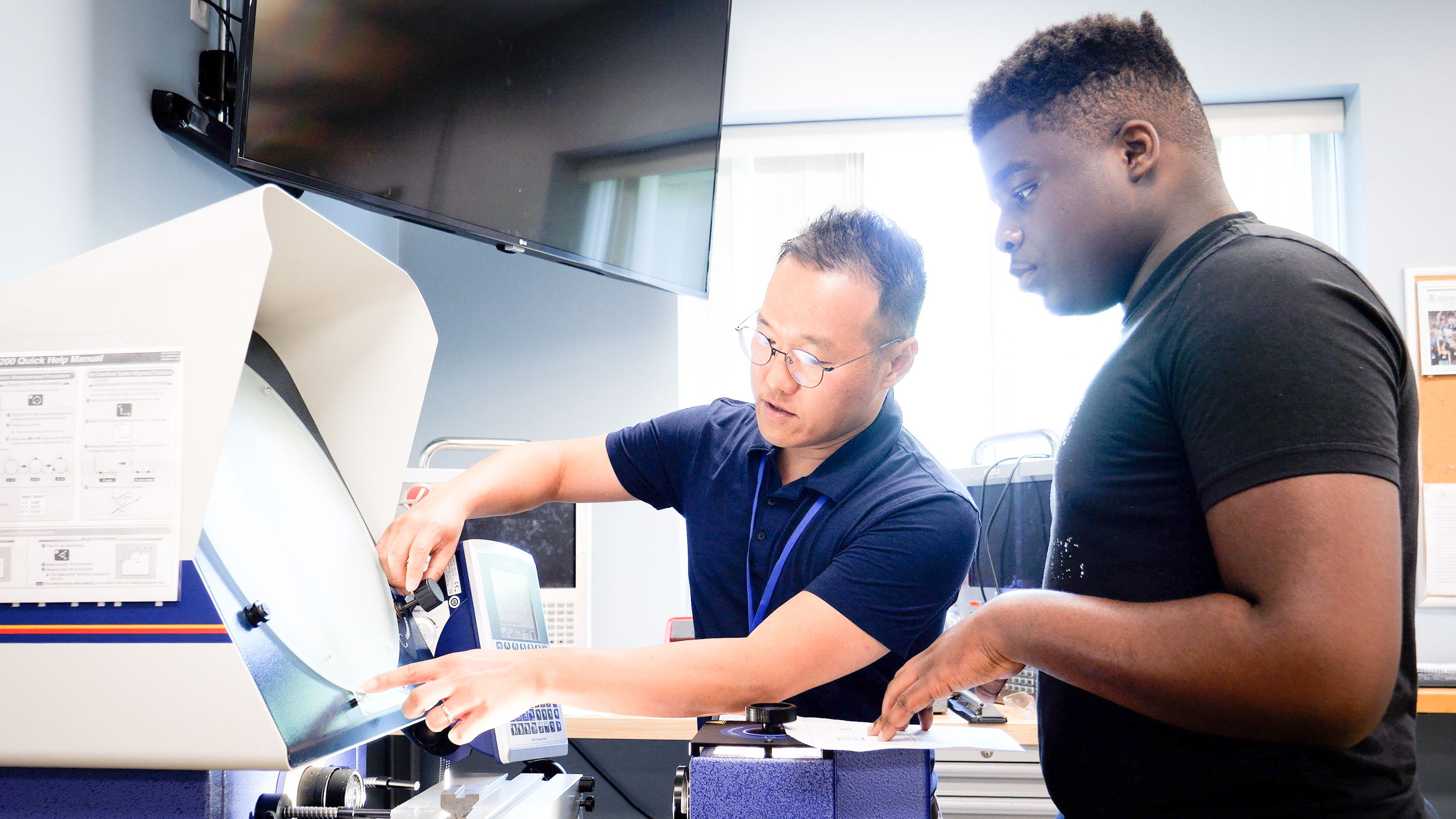
The COT was established in 1992 under Connecticut Public Act 92-126 to form articulation agreements between all twelve Connecticut community colleges and public and private partner universities. This unique infrastructure and governance provide seamless articulation between the community colleges and their four-year partner universities, providing multiple points of entry for degree completion. For over 30 years, the COT has provided leadership for transfer pathways and has been recognized as a model transfer program.
The COT is led by a State Director and a Site Coordinator's Council, which meets monthly, includes representatives from 4-year public and private university partners, all campuses of CT State Community College, as well as the Connecticut Technical High School System, and business and industry partners.
Start at CT State → Finish at a 4-year institution.
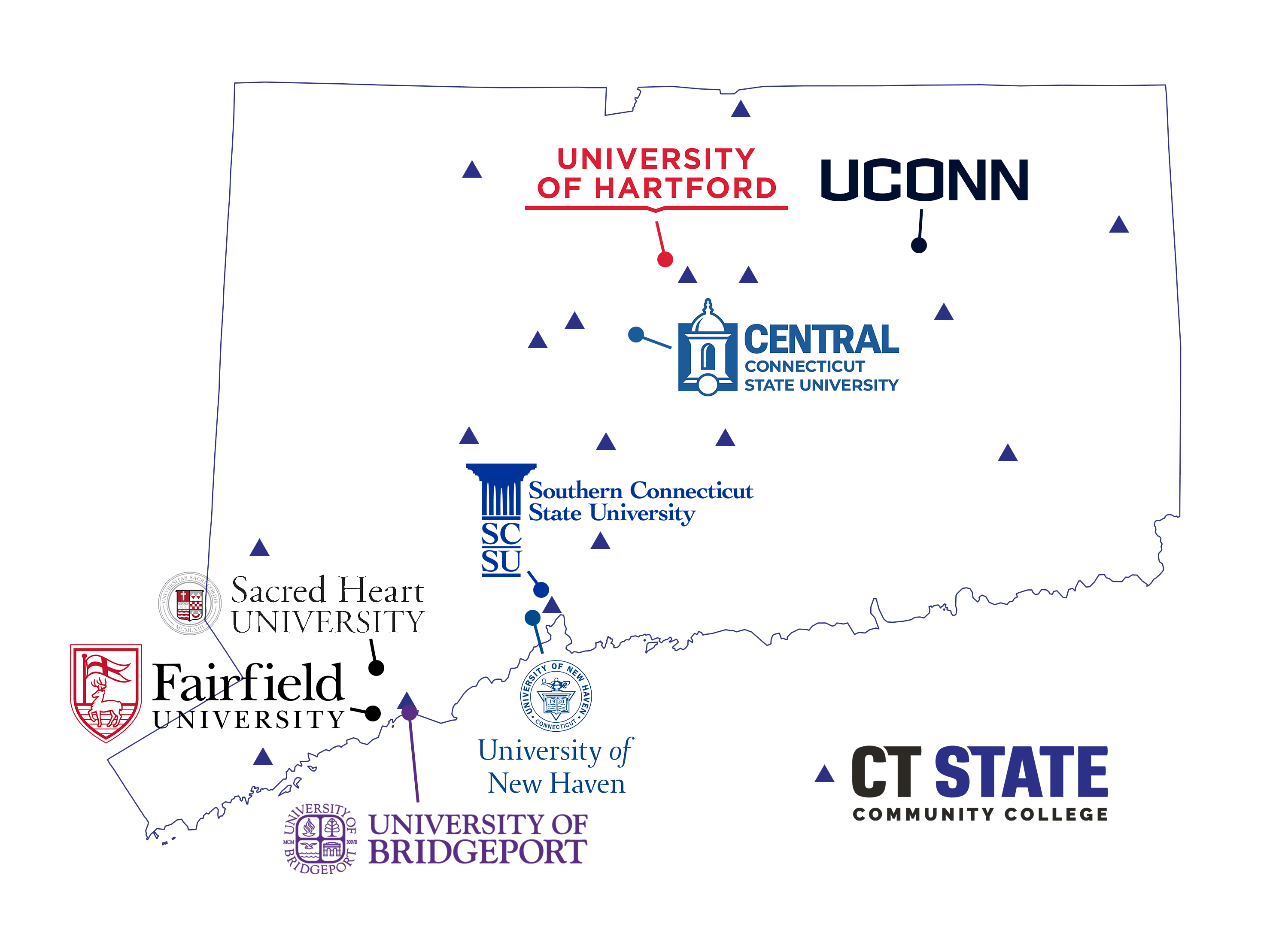
The credits from College of Technology degrees are transferable to various four-year programs. Search the table below to learn more.
| Image | Bachelor Degree | Transfer College/University | CT State Degree | Learn More | Text 6 | Text 7 | Text 8 | Text 9 | Text 10 | Text 11 | Text 12 | Text 13 | Text 14 | Text 15 | Text 16 | Text 17 | Text 18 | Text 19 | Text 20 | Link | ||
|---|---|---|---|---|---|---|---|---|---|---|---|---|---|---|---|---|---|---|---|---|---|---|
| Acoustical Engineering and Music | University of Hartford | Engineering Science, AS | Apply/Transfer | Program Sheet | ||||||||||||||||||
| Aerospace Engineering | University of Hartford | Engineering Science, AS | Apply/Transfer | Program Sheet | ||||||||||||||||||
| Aerospace Engineering |
Worcester Polytechnic Institute |
Engineering Science, AS | Apply/Transfer | Program Sheet | ||||||||||||||||||
| Architectural Engineering |
Worcester Polytechnic Institute |
Engineering Science, AS | Apply/Transfer | Program Sheet | ||||||||||||||||||
| Biomedical Engineering |
Worcester Polytechnic Institute |
Engineering Science, AS | Apply/Transfer | Program Sheet | ||||||||||||||||||
| Chemical Engineering |
Worcester Polytechnic Institute |
Engineering Science, AS | Apply/Transfer | Program Sheet | ||||||||||||||||||
| Civil Engineering |
Worcester Polytechnic Institute |
Engineering Science, AS | Apply/Transfer | Program Sheet | ||||||||||||||||||
| Electrical and Computer Engineering |
Worcester Polytechnic Institute |
Engineering Science, AS | Apply/Transfer | Program Sheet | ||||||||||||||||||
| Mechanical Engineering |
Worcester Polytechnic Institute |
Engineering Science, AS | Apply/Transfer | Program Sheet | ||||||||||||||||||
| Robotics Engineering |
Worcester Polytechnic Institute |
Engineering Science, AS | Apply/Transfer | Program Sheet | ||||||||||||||||||
| Biomedical Engineering | Fairfield University | Engineering Science, AS | Apply/Transfer | Program Sheet | ||||||||||||||||||
| Biomedical Engineering | University of Hartford | Engineering Science, AS | Apply/Transfer | Program Sheet | ||||||||||||||||||
| Biomedical Engineering | University of Connecticut | Engineering Science, AS | Apply/Transfer | Program Sheet | ||||||||||||||||||
| Chemical and Biomolecular Engineering | University of New Haven | Engineering Science, AS | Apply/Transfer | Program Sheet | ||||||||||||||||||
| Chemical Engineering | University of Connecticut | Engineering Science, AS | Apply/Transfer | Program Sheet | ||||||||||||||||||
| Civil Engineering | Central CT State University | Engineering Science, AS | Apply/Transfer | Program Sheet | ||||||||||||||||||
| Civil Engineering | University of New Haven | Engineering Science, AS | Apply/Transfer | Program Sheet | ||||||||||||||||||
| Civil Engineering | University of Hartford | Engineering Science, AS | Apply/Transfer | Program Sheet | ||||||||||||||||||
| Civil Engineering | University of Connecticut | Engineering Science, AS | Apply/Transfer | Program Sheet | ||||||||||||||||||
| Computer Engineering | Sacred Heart University | Engineering Science, AS | Apply/Transfer | Program Sheet | ||||||||||||||||||
| Computer Engineering | University of Bridgeport | Engineering Science, AS | Apply/Transfer | Program Sheet | ||||||||||||||||||
| Computer Engineering | University of Hartford | Engineering Science, AS | Apply/Transfer | Program Sheet | ||||||||||||||||||
| Computer Engineering Technology | University of Bridgeport | Engineering Science, AS | Apply/Transfer | Program Sheet | ||||||||||||||||||
| Computer Engineering Technology | University of Bridgeport | Technology Studies, AS | Apply/Transfer | Program Sheet | ||||||||||||||||||
| Computer Science | University of Bridgeport | Engineering Science, AS | Apply/Transfer | Program Sheet | ||||||||||||||||||
| Electrical and Computer Engineering | University of New Haven | Engineering Science, AS | Apply/Transfer | Program Sheet | ||||||||||||||||||
| Electrical Engineering | Central CT State University | Engineering Science, AS | Apply/Transfer | Program Sheet | ||||||||||||||||||
| Electrical Engineering | Fairfield University | Engineering Science, AS | Apply/Transfer | Program Sheet | ||||||||||||||||||
| Electrical Engineering | Sacred Heart University | Engineering Science, AS | Apply/Transfer | Program Sheet | ||||||||||||||||||
| Electrical Engineering | University of Bridgeport | Engineering Science, AS | Apply/Transfer | Program Sheet | ||||||||||||||||||
| Electrical Engineering | University of Connecticut | Engineering Science, AS | Apply/Transfer | Program Sheet | ||||||||||||||||||
| Engineering | University of New Haven | Engineering Science, AS | Apply/Transfer | Program Sheet | ||||||||||||||||||
| Environmental Engineering | University of Connecticut | Engineering Science, AS | Apply/Transfer | Program Sheet | ||||||||||||||||||
| Electrical Engineering | University of Hartford | Engineering Science, AS | Apply/Transfer | Program Sheet | ||||||||||||||||||
| Manufacturing Engineering Technology | Central CT State University | Engineering Science, AS | Apply/Transfer | Program Sheet | ||||||||||||||||||
| Manufacturing Management | Central CT State University | Engineering Science, AS | Apply/Transfer | Program Sheet | ||||||||||||||||||
| Mechanical Engineering Technology | Central CT State University | Engineering Science, AS | Apply/Transfer | Program Sheet | ||||||||||||||||||
| Mechanical Engineering | Central CT State University | Engineering Science, AS | Apply/Transfer | Program Sheet | ||||||||||||||||||
| Mechanical Engineering | Fairfield University | Engineering Science, AS | Apply/Transfer | Program Sheet | ||||||||||||||||||
| Mechanical Engineering | University of Bridgeport | Engineering Science, AS | Apply/Transfer | Program Sheet | ||||||||||||||||||
| Mechanical Engineering | University of New Haven | Engineering Science, AS | Apply/Transfer | Program Sheet | ||||||||||||||||||
| Mechanical Engineering | University of Connecticut | Engineering Science, AS | Apply/Transfer | Program Sheet | ||||||||||||||||||
| Mechanical Engineering | University of Hartford | Engineering Science, AS | Apply/Transfer | Program Sheet | ||||||||||||||||||
| Physics, BS-Engineering | Southern Connecticut State University | Engineering Science, AS | Apply/Transfer | Program Sheet | ||||||||||||||||||
| Robotics and Mechatronics Engineering Technology | Central CT State University | Engineering Science, AS | Apply/Transfer | Program Sheet | ||||||||||||||||||
| Robotics Engineering |
University of Connecticut |
Engineering Science, AS | Apply/Transfer | Program Sheet | ||||||||||||||||||
| Robotics Engineering | University of Hartford | Engineering Science, AS | Apply/Transfer | Program Sheet | ||||||||||||||||||
| Technology Management | Central CT State University | Engineering Science, AS | Apply/Transfer | Program Sheet | ||||||||||||||||||
| Technology Management |
Central CT State University |
Technology Studies, AS | Apply/Transfer | Program Sheet |
Mary Bidwell, Director, Advanced Manufacturing Technology
Email: mary.bidwell@ctstate.edu
Andre Freeman, Professor, Mathematics
Email: andre.freeman@ctstate.edu
Susan Spencer, Professor and PC, Math/Science
Email: susan.spencer@ctstate.edu
Stella Litwinowicz, Professor, Engineering and Math
Email: stella.litwinowicz@ctstate.edu
Mehrdad Faezi, Professor, Manufacturing Engineering Technology
Email: mehrdad.faezi@ctstate.edu
Lin Lin, Professor and PC, Engineering, Computer Science and Technology
Email: lin.lin@ctstate.edu
Kristen Dagan, Department. Chair, Engineering and Technology
Email: kristen.dagan@ctstate.edu
John Jagtiani, Professor, Business Intelligence/Information Systems, STEM
Email: john.jagtiani@ctstate.edu
Mobin Rastgar Agah, Professor and PC, Engineering
Email: mobin.rastgaragah@ctstate.edu
Jakob Spjut, Department Chair, Engineering and Technology
Email: jakob.spjut@ctstate.edu
Diba Khan-Bureau, Professor, Civil/Environmental Engineering Technology
Email: diba.khanbureau@ctstate.edu
David Ferreira, Provost
Email: dferreira@charteroak.edu
Ravindra Thamma, Associate Dean, School of Science, Engineering and Technology
Email: thammarav@ccsu.edu
Harvey Hoffman, Assistant Dean, School of Engineering
Email: hhoffman@fairfield.edu
Matthew Enjarlan, Department Chair
Email: enjalranm1@southernct.edu
Joyce Hu, Program Coordinator, Mechanical Engineering
Email: jjhu@bridgeport.edu
Daniel Burkey, Assistant Dean, School of Engineering,
Email: daniel.burkey@uconn.edu
Laurie Granstrand, Enrollment Manager
Email: granstran@hartford.edu
Stephanie Gillespie, Associate Dean, School of Engineering
Email: sgillespie@newhaven.edu
Jeannine Coburne, Associate Department Head and Associate Professor of Biomedical Engineering
Email: jmcoburn@wpi.edu
Larry Pomerleau, Education Consultant
Email: lawrence.pomerleau@cttech.org
The Connecticut State Colleges and Universities (CSCU) is strong because of its diversity. Our campuses thrive when people from different races, ages, religions, ethnicities, sexual orientations, gender expressions, nationalities, physical abilities and political perspectives have a forum for sharing their beliefs and ideas while learning together. This is a critical value of higher education. CSCU is committed to social justice, to celebrating our diversity, and fostering a climate of inclusion and respect for one another. CSCU will continue to comply with federal and state law, and we will remain focused on what is truly best for our students and institutions.
The purpose of this protocol is to provide guidance to the Connecticut State Community College, Charter Oak and our 4 universities so that any students, staff or faculty impacted by the Presidential Executive Orders, including “Securing Our Borders,” will be treated with the utmost respect, dignity and care within the confines of CSCU obligations. It is the intention of CSCU to comply with legally mandated, orders, warrants and judicial subpoenas, but beyond those legal mandates, it shall not further engage in the enforcement of federal immigration laws.
CSCU has deliberately refrained from using the term “sanctuary” as sanctuary is a concept that has a broad range of meanings. CSCU does not have the power or ability to declare any “sanctuary” that is exempt from federal or state law. It is not our intention to provide anyone with a false sense of security. Additionally, the Department of Homeland Security has rescinded the directive that exempted Connecticut State College, Charter Oak College and our University campuses, from being the focus of enforcement actions as “sensitive locations”. Colleges and universities can no longer expect that immigration and enforcement actions will not occur on our campuses. ICE cannot enter non-public areas1 of the campus without be granted permission or without a valid warrant signed by a federal judge, unless exigent circumstances exist.
Under the Family Educational Rights and Privacy Act (FERPA) all students are entitled to privacy regardless of immigration status. Education records, which are broadly defined as records related to a student and maintained by the institution, cannot generally be disclosed without a judicial warrant, subpoena, court order or student consent. CSCU institutions shall continue to uphold FERPA and deny requests for student information that are not accompanied with a judicial warrant, court ordered subpoena, or student consent. If the institution has international students on VISA, note that compliance with the Student Exchange Visitor Information Service (SEVIS) is still required. https://www.ice.gov/sevis
1 Non-public areas are those that are not accessible to the general public and require a key or swipe card access or where entry is granted, such as offices, dormitories, classrooms and dining halls.